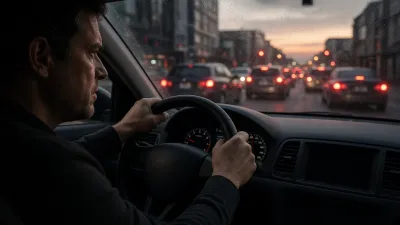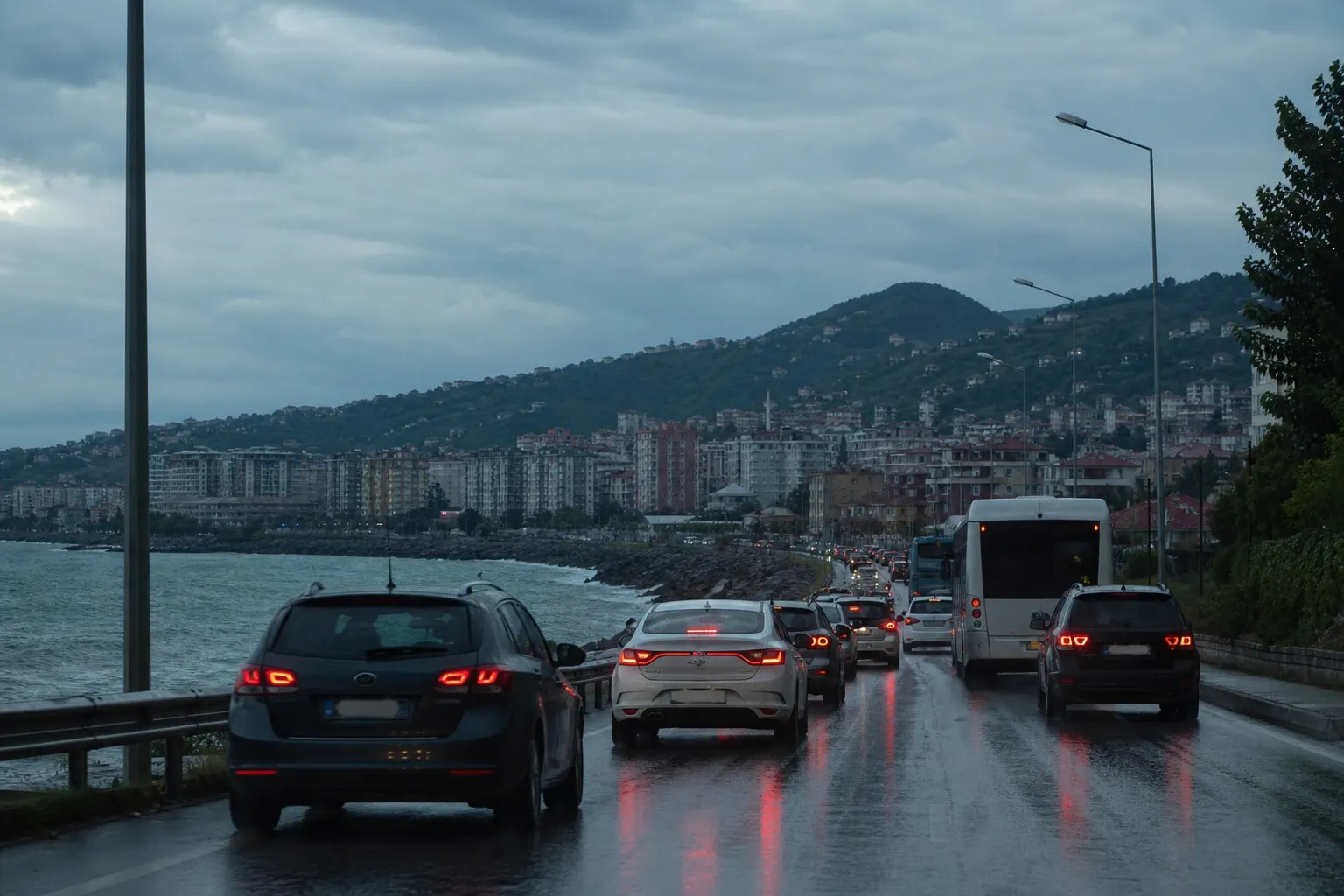
Trabzon traffic is different from “big-city chaos” — but it is not easy either. Narrow lanes, fast-moving traffic running parallel to the sea, sudden rain, misty mountain climbs and seasonal crowds of tourists can all come together on the same day. This article is not an advert for a tow truck: it is a local guide to protecting yourself, your passengers and the driver coming the other way in everyday driving. The point is not to create panic; it is to make visible the small mistakes people in Trabzon make out of sheer habit.
Reading the coastal strip properly
The D010 and the roads running parallel to the coast are the backbone of Trabzon. The flow usually looks orderly; the problem lies in sudden lane changes and “right now, to the left” manoeuvres. At the exits for the bus station, the hospital, the shopping centres and the harbour, the driver behind you will not wait. Your indicator should come on early before you turn; a mirror plus shoulder check is essential. On the Ortahisar–Akçaabat and Yomra–Arsin stretch in particular there are a great many junctions in a short distance: set your speed by the visibility and the distance to the exit rather than by the legal limit.
The back-to-back junction trap
Do not assume the second junction is “clear” just because you got through the first. In Trabzon the gaps between signs and lights are tight; glancing at your phone or burying yourself in the navigation screen can turn a one-second delay into a collision. Use the navigation by voice and check the screen with short glances.
Rain: tarmac at its most deceptive
Black Sea rain starts lightly and turns the windscreen and the road into a mirror within minutes. In the first ten to fifteen minutes the mix of oil and water increases the slipperiness; in lanes without tyre tracks the risk of aquaplaning rises. Reduce your speed, increase your following distance and avoid sudden braking and sudden steering. Put your lights on for visibility (dipped beam, not fog lights); it is not only about “me seeing” but about “them seeing me”.
Three common mistakes in the rain
1) Setting off with worn wiper blades. 2) Driving into standing water at high speed. 3) Weaving right and left on a wet surface to “chase gaps”. Those three turn minor scrapes into bigger ones in Trabzon. Tyre tread depth and pressure are your invisible insurance in the rain; check them as the seasons change.
Fog, tunnels and mountain climbs
On the Maçka road, the Zigana direction, the high-pasture climbs and some inland district roads, fog can cut visibility down to a few metres. Use your fog lights correctly; main beam blinds the driver coming the other way. At tunnel entrances and exits your eyes need time to adjust to the light — hold a steady speed and stay in your lane. On mountain descents, braking with the gearbox reduces brake overheating; a permanently pressed brake pedal puts you and the driver behind at risk.
On the coast road at night, a wet surface plus oncoming headlights distorts your sense of distance. When you are tired, take a break instead of speeding up because “it is not far now”. On long intercity returns in particular (the Giresun–Rize–Erzurum routes), fatigue-related accidents increase as you come into Trabzon; treat the last 20 kilometres as the stretch that needs the most care.
Awareness of schools, pedestrians and motorcycles
In the morning and around midday, the areas around schools, bus stops and pedestrian crossings are busy. In Trabzon, narrow pavements can push pedestrians into the lane; failing to slow down because “there is no crossing here” is a mistake. Motorcycles and scooters filter through the traffic — a blind spot check is essential. Getting into the habit of the “Dutch reach” shoulder check when you open the door (especially when parked) is simple but life-saving.
The tourist season and slowing traffic
In summer and over long holidays, the Uzungöl, Sümela and coastal park corridors generate extra traffic. A car with an unfamiliar plate may brake suddenly or pick the wrong lane; patience is safety here. Leaving space instead of “teaching a lesson” with the horn protects both you and the visitor. If the navigation offers an alternative route, you are not obliged to squeeze blindly onto the coast road.
Rush hours: when should you set off?
The commute in and out, school buses and the evening stroll along the coast all build up in the same corridor. If you can, allow a 15-20 minute buffer for important appointments. Getting caught on an amber light and changing lanes at the last second because “I have to make it” is the classic recipe for an accident. If there are public transport or short walking options, they cut the stress, especially on a rainy evening.
Parking and stopping culture
Double parking in narrow streets, stopping in front of a blind bend or blocking a wheelchair ramp invites both a fine and an accident. Stopping “just for a minute” closes the gap that is critical for an ambulance or a fire engine. Use official parking or a car park when you are shopping or going to the bank; do not turn your car into a “visible obstacle”.
Phones, music and the economy of attention
Because the roads in Trabzon feel “familiar”, the brain switches to automatic mode — and that is exactly the moment the phone buzzes. Typing a message by hand or scrolling social media steals your reaction time even on a road you know. Talk via Bluetooth or the car kit; do your editing in the car park. Loud music also cuts out external sounds (horns, sirens, tyre noise) — turn the volume down in the rain especially.
Navigation and the “last-second lane”
When the app says “turn right in 500 metres”, do not make a panicked lane change. Choose your lane early; if you miss it, use the next safe turn. Cutting across squeezes both you and the driver behind. In Trabzon, going round once more is cheaper than the risk of a crash for most destinations.
Bicycles, scooters and sharing the road
Bicycles and electric scooters are increasingly visible along the coastal strip. Leave plenty of room when you pass them; watch the door-opening distance. Even a helmeted scooter rider is at high risk of sliding on a wet surface — choose a patient overtake instead of the reflex to “squeeze past”. A shared road is not a hierarchy of “I am bigger”; it is a common safety space.
Vehicle preparation: a mini local checklist
Wipers, headlight alignment, tyre pressure, antifreeze and washer fluid, and a spare tyre are not a “nice to have” in the Trabzon climate but a necessity. Having the brakes and pads checked before winter or before a long trip up to the high pastures reduces surprises on the descents. Keep a high-visibility vest, a warning triangle and a simple first aid kit in the glovebox; assuming you will never need them only produces panic when you do.
Driving with children and elderly passengers
Seat and belt adjustment are critical under hard braking. A child seat must suit the age and height; “safe on my lap” is not a real thing. With elderly passengers, frequent breaks, gentle speed changes and a clear description of the route lower the stress. Family conversation is lovely; just do not let an argument escalate on a bend.
Local courtesy: the horn, distance and right of way
The horn is a warning device, not a punishment or an ego tool. In narrow neighbourhood streets especially, sorting things out with eye contact and a hand signal beats metal on metal. Waiting two seconds instead of forcing your right of way because “I am in the right” ends most scrapes. Good neighbourliness works in Trabzon traffic as well.
When do you end up stranded, and what should you do?
Traffic awareness reduces accidents; but a breakdown, a flat tyre or a stall can happen to anyone. Pull into a safe lay-by, put the hazard lights on and put your vest on. Know exactly where you are (a pin or the name of a junction). Giving clear information shortens the process when you need roadside assistance. The subject of this article is not choosing a tow truck; it is the habits that protect you from the traffic in the first place. Even so, when you are stranded, staying calm, waiting in the right place and being visible is job number one.