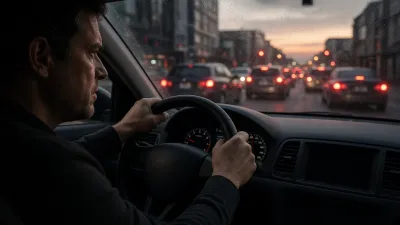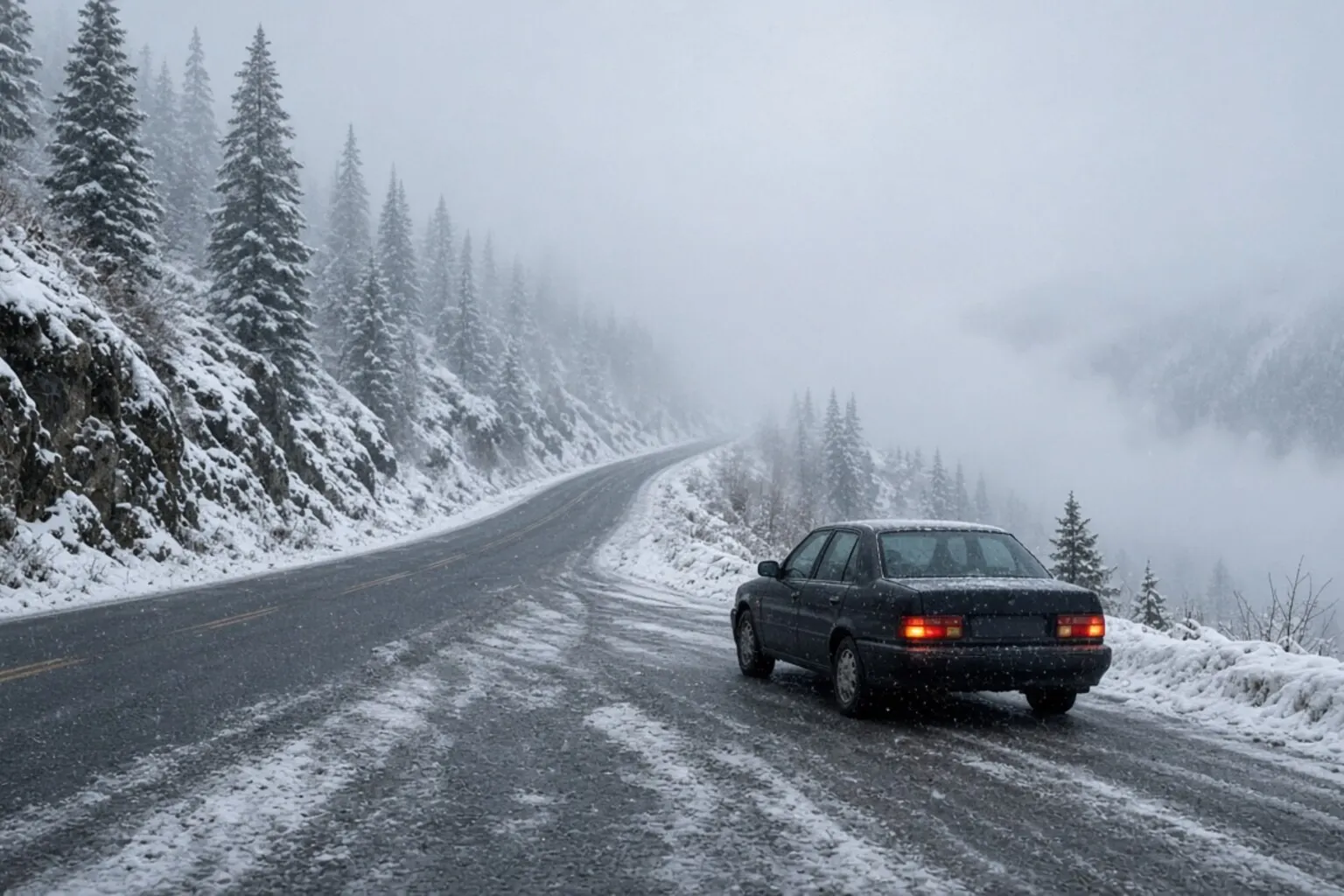
Zigana is one of the most demanding routes on the Trabzon–Gümüşhane axis in winter. As the altitude rises the temperature drops, the fog thickens and the road surface can turn to ice or compacted snow. Many drivers press on past the Maçka exit thinking “I will get a bit further”; on this stretch, though, a small mistake can turn into a long, cold wait. When snow, a blizzard and a sudden loss of visibility arrive together, panicked decisions multiply. This article offers advice that works in exactly that moment: what to do in the first few minutes, whether to wait inside the car or outside, when to call a tow truck, and which pieces of information will speed the process up when you do. The aim is not to frighten you but to remind you of the right order of steps on a cold, misty bend.
Why the road gets harder on Zigana in winter
High up, the grip between tyre and tarmac changes fast. Bends that stay in shadow thaw later than the sunlit straights. A thin film of ice can produce a sudden slide on a surface that looks dry. Fog shortens your visibility; you have to choose your speed by the distance you can genuinely see rather than by the “legal limit”. Wind and blizzards blur the references at the roadside. In these conditions a sudden overtake, back-to-back braking and the “I have to make it” reflex all magnify the risk. The need for winter tyres or chains depends on the weather and on the state of the road at that moment; setting off unprepared means having your breakdown in the middle of the traffic.
On the Maçka–Zigana stretch, the volume of traffic can combine with tourism and intercity movement. When a slowing truck, fog and a wet, icy lane arrive at once, increasing your following distance is the basic rule. Use your lights deliberately in fog and blizzard conditions. Main beam can spoil your own view through reflection. Dipped beam and visibility protect both you and the driver behind. The state of the road can change within the hour; a bend that was clear in the morning can be iced over in the afternoon. That is why the assumption “I came through this morning, it will be the same tonight” is dangerous. “Intermittent snow” in the forecast can mean a permanently slippery surface at altitude. Thinking about the route and your return time together before you leave is safer than making the decision halfway there.
The first things to do the moment you are stranded
If the car has stalled or cannot move, personal and traffic safety come first. Put the hazard lights on immediately. If you can, pull into a wide lay-by, a parking area or the safe lane on the barrier side. Being stuck in the blind spot of a tight bend means a sudden obstacle for the driver coming up behind. Put your vest on and place the warning triangle at a sensible distance. If you have children or elderly passengers, try to keep them on the safe side of the road and warm inside the car as far as possible. Throwing the bonnet open at random and stepping into the road can make you invisible in foggy winter conditions.
Your phone battery is critical. Cold weather drains it quickly; cut down unnecessary screen use and save the power for sharing your location and making calls. Do not hold on to metal surfaces for long with wet hands. Rather than switching the heating off entirely, using it in short bursts while the engine is running delays the cold. If the engine will not run, blankets, an extra coat and a supply of hot drinks all gain value. Being stranded can turn into a “waiting marathon”; the calm order you establish in the first five minutes shapes the hour that follows. If there are other drivers with you, cutting out the panicked horns and arguments and focusing on visibility and on making the call is far more useful.
Waiting in the car, walking and staying visible
Walking along the road in a blizzard or thick fog is usually a bad idea. A slippery surface, loss of visibility and the risk of a car coming from the oncoming lane all combine. Instead of walking along a dark verge to “get down to the village” for help, sharing your location from a safe lay-by is the better move. While you wait in the car, make sure the exhaust is not buried in snow. An exhaust blocked by snow can lead to a dangerous build-up of gas in a closed cabin. Leaving a window slightly open and clearing the area around the exhaust reduces that risk.
Visibility is life in winter. Hazard lights, a vest, a triangle and, if possible, a torch are what get you noticed. If you get out of the car at night or in thick fog, move on the barrier side without turning your back on the traffic. If you have passengers, keep the panicked talk short; a clear division of tasks (one person shares the location, another sorts out the vest and the triangle) saves time. When you ask for help from neighbouring cars, do not leave your own safe area. Signal when help arrives, but do not step into the middle of the lane. Shivering and tiredness in the cold reduce the quality of your decisions; that is why staying visible and in contact takes priority over the urge to “do something right now”.
When should I call a tow truck?
Putting the tow truck off as a “last resort” can be expensive in a Zigana winter. If the engine will not turn over, if the gearbox or an electronic warning is preventing you from moving, if you have no chains and no grip, if the car has slid on ice and was hard to drag into a safe lay-by, or if you are stuck in a live lane in the fog, call early. Waiting a long time in a live lane because “it might warm up in a bit” puts you and the traffic at risk. Even if a jump-start or an on-the-spot fix is possible, if your location is dangerous we will discuss a safe transfer plan first.
Be clear about your threshold for calling. If the car will travel a short distance safely and you can reach a nearby settlement or a safe parking area, moving on cautiously may be possible. But if visibility is zero, if the bend is blind, if the car will not steer or you suspect underbody damage, do not move it. Forcing a steep, icy section without winter tyres can lead to a second breakdown. When you are in doubt, calling a tow truck is not an overreaction but proper risk management. The Trabzon Çekicim line goes out 24/7. The fixed price upfront is agreed on the basis of the pick-up and drop-off points. Calling early also makes it easier for the crew to arrive with the right equipment for fog and ice.
What to say when you call, and what to prepare before you leave
Sending a location pin on WhatsApp or calling 0462 606 06 21 is the fastest route. If you cannot send a pin, write down the kilometre marker, the sign or the lay-by you are in on the Maçka–Zigana stretch. Tell us the vehicle type (car, SUV, van), the problem (battery, tyre, stalled, steering locked) and where it is going (garage, home, car park). “We are stuck on Zigana” is not enough on its own; the right pin sends out the right team. A photo, if possible of a road sign or of the lay-by, shortens the arrival time. There is no separate surcharge at night or in a blizzard. The figure we agree on stands.
Preparation before you leave lowers the chance of getting stranded. Plan for winter tyres or chains according to the weather and the route. Do not run the fuel low; keep a margin for heating and waiting. Carry a vest, a triangle, gloves, a blanket, a torch and simple food and water in the car. A power bank for your phone can be vital in the cold. Choose a realistic departure time so that your return does not coincide with darkness and a blizzard. In a Zigana winter, the good driver is not the one who travels fast; it is the one who stays visible, decides early and calls a tow truck without delay when it is needed. This advice is not dramatic. But on a misty bend, the right order of steps turns a cold wait into a safe recovery.