Traffic is not merely a network of roads on which vehicles move; it is also a psychological arena where patience, ego, time pressure and uncertainty collide constantly. Many drivers set off calmly; a few kilometres later they are on the edge of horns, sudden lane changes, tailgating or a shouting match. Yet anger behind the wheel rarely “teaches” the other driver anything; it only damages your attention, the quality of your decisions and your reaction time. Managing stress in traffic does not mean denying your emotions; it means noticing anger, cutting its rise off early and refusing to turn your car into an emotional weapon. This article looks in detail at how road rage builds, at the alarm signals in your body, at what to do when you meet an aggressive driver, at the distractions inside the cabin and at how to build a lasting habit of calm driving.
How road rage builds and why it costs so much
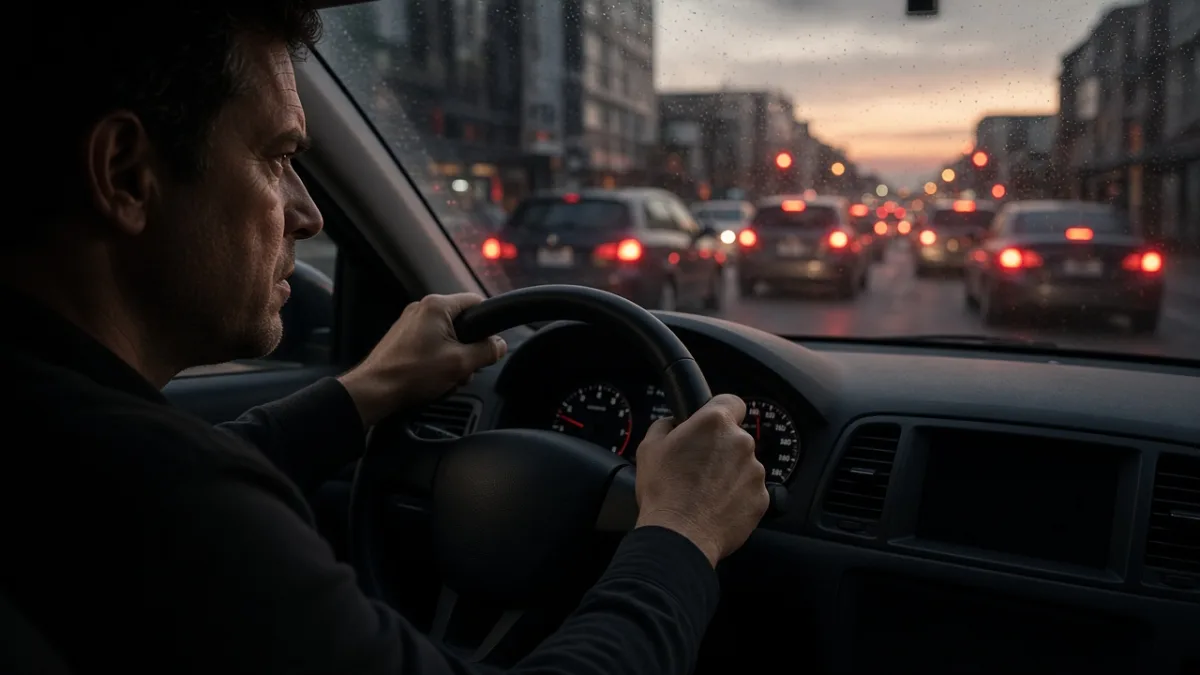
Road rage is not a random explosion that appears out of nowhere. It usually grows when small triggers stack up: an appointment you are already late for, a blocked lane, a car cutting in without signalling, music playing too loud, an endless phone call. The brain reads these inputs as threats; the heart rate climbs, the shoulders tighten, attention narrows into a tunnel. At that point the driver stops reading the road and starts trying to prove a point. Sentences such as “he didn’t let me through”, “she cut in front of me”, “they slowed me down” begin to serve the ego rather than safety.
The cost of anger is not just a bad mood. An angry driver shortens the following distance, falls into a cycle of hard braking and hard acceleration, rushes overtakes and makes last-second decisions at junctions. These manoeuvres damage your accident risk, your fuel consumption and the life of your brakes and tyres alike. Worse still, anger is contagious. One horn triggers another, one gesture invites the next; a minor scrape can ruin the day for both drivers. In traffic, “having the last word” is usually the most expensive sentence you can say. And a manoeuvre made in anger can put you in the wrong even in a situation where you were right. That is why managing anger is not a display of politeness; it is a concrete choice about safety and liability.
Reading the early warning signs in your body
The first step in stress management is catching the physical signals before anger peaks. A clenched jaw, an over-tight grip on the wheel, shoulders creeping up towards your ears, short breathing from the chest, a running commentary of criticism in your head — these are the classic warnings. While they are still only showing, the problem is at a manageable level. The aim is not to suppress your feelings by shouting “calm down” at yourself; it is to soften your physiology so that the space to make decisions opens up again.
One practical method is to breathe in through the nose for four seconds and out through the mouth for six. This rhythm helps to lower the alarm of the sympathetic nervous system. Consciously dropping your shoulders, relaxing your jaw muscles and holding the wheel at the 9-3 position but with a soft grip reinforce the same effect. Turn the volume down if you can; loud music squeezes an already narrowing focus even further. These small interventions do not look dramatic, but they pull anger down a step before it erupts and let you choose the next manoeuvre more clearly.
The right moves when you meet an aggressive driver
One of the hardest scenarios you will face is a driver who sits on your bumper, overtakes again and again, sounds the horn or makes gestures. The instinct is usually retaliation: a light touch on the brake, speeding up, staring back, winding the window down. These reactions settle nothing; they escalate the conflict. The defensive and emotionally mature approach is different: put the ego aside and create a safety gap. Moving over to the right when it is safe to do so, opening up your following distance, holding a steady speed and letting that driver go past you is usually the most effective solution.
Avoiding eye contact, making no gestures and refusing to get into a shouting match are critical. Sudden manoeuvres made to “teach a lesson”, especially on a wet surface, at night and in heavy traffic, are an open door to a chain collision. If you feel threatened, the priorities are escape and visibility: head for a busy, well-lit area and pull into a safe rest stop if you need to. Filming on your phone or keeping the argument alive steals your attention from the road. Remember: you cannot change that driver’s behaviour; you can manage your own risk margin.
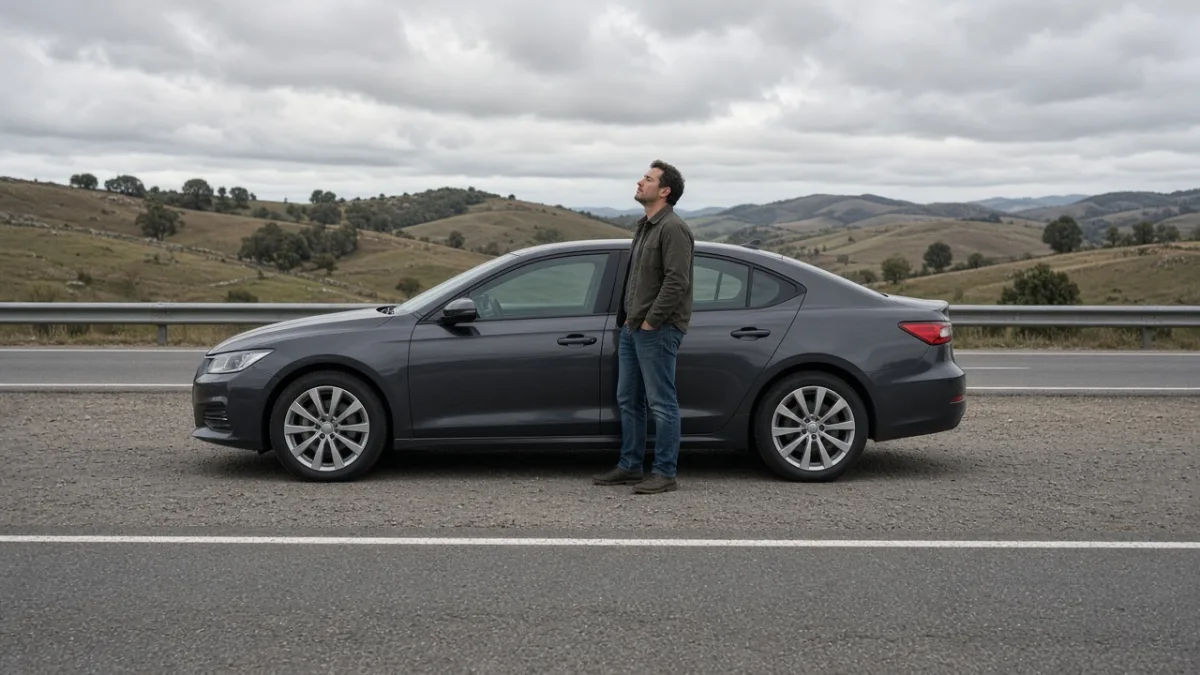
Sometimes anger does not come from outside but from your own habit of rushing. The pressure of “I have to make it” shows up as running yellow lights, changing lanes at the last moment and demanding space with the horn. In that case, deliberately building a buffer into your appointment time, leaving 10-15 minutes earlier or planning a realistic arrival time is the cheapest stress reliever available on the road. Trying to solve time pressure while you are already driving is not managing stress; it is converting stress into speed.
Distractions in the cabin and habits that raise stress
Stress does not only come from the traffic outside; the order inside the cockpit feeds anger too. Typing messages by hand, checking social media, constantly pinching the navigation map while driving, loud arguments and fatigue all stretch your reaction time. The brain cannot manage an emotional conflict and a traffic risk at the same moment. That is why clarifying your route before you set off, setting up Bluetooth or the car kit and putting the phone somewhere out of reach cuts stress off at its first source.
Hunger, thirst, lack of sleep and too much caffeine also feed road rage. A small discomfort can make a small mistake in traffic feel like a personal attack. On a long drive, regular breaks, water and light food are not just comfort; they are a safety decision. If there are children or other passengers in the car, keeping panicked talk short and using a clear, calm tone lowers your stress and theirs. If the driver is calm, the cabin calms down; if the driver tenses up, everyone tenses up. A short pre-trip checklist — route, fuel, phone on silent, water — often defuses the tension of the second half of the journey before it even starts.
A daily driving discipline for lasting calm
A one-off breathing exercise helps, but repeated habits are what really make the difference. Starting every journey with the intention of “arriving safely” instead of “being proved right” changes the mental frame. Deliberately keeping your following distance, signalling early, never rushing an overtake and being willing to go round once more when needed build a rhythm that leaves anger no room. That rhythm may feel slow at first; after a few weeks you will be both less tired and less often in conflict on the road.
You can set yourself a simple rule: when anger rises, the first response is breathing and distance, not the throttle or the horn. If an aggressive driver is pushing you, your goal is not to beat them but to leave the stage. The road is long, the traffic is crowded and mistakes are inevitable; the only area under your control is your own decisions. Calm driving is not weakness; it is a mature safety choice that protects your economy of attention. When you shrink the ego behind the wheel and widen your field of view, you and the people around you share a safer road. This discipline will not become perfect overnight, but every calm choice makes the next journey a little lighter.